

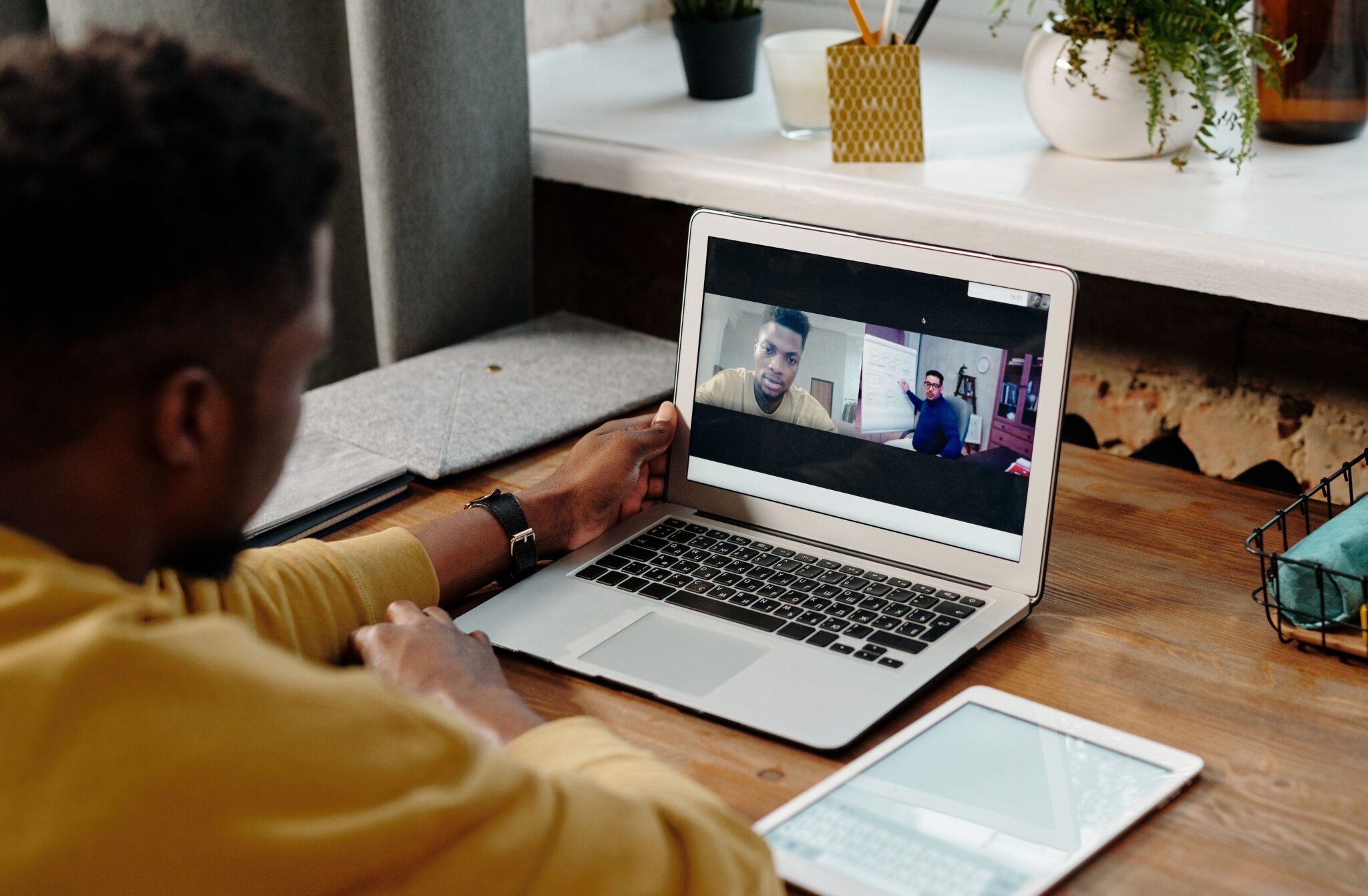
The interview phase just concluded, and you have identified a potential remote paralegal to hire. Yay! But here’s something most attorneys do not realize: the onboarding process is as important, if not more important, than the hiring process.
Finding someone with the right credentials, reviewing their work history, and agreeing on a rate takes a few days at most. What happens in the two weeks after that determines whether the engagement succeeds or quietly falls apart. A remote paralegal who lands in a practice with no orientation, no documented workflows, and no visibility into what is actually happening on active matters does not become useful on their own. They wait for direction, make assumptions when direction does not come, and eventually produce work that needs significant rework or disengage because the relationship never found its footing.
Most law firms that struggle with remote paralegal support do not have a hiring problem. They have an onboarding problem. This article covers exactly how to fix that before it starts.
Why Onboarding a Remote Paralegal Is Different From Hiring In-Office Staff
Bringing someone into a physical office has built-in onboarding mechanisms that most attorneys take for granted. The new hire can watch how things are done, ask questions in real time, and absorb the firm’s culture through proximity. None of that exists in a remote engagement.
Everything that happens in person has to be made explicit remotely
In an office, a paralegal learns the firm’s document naming convention by watching how files are saved. They learn how the attorney likes to receive research by seeing how previous memos were formatted. They pick up communication preferences by observing how the team operates. Remotely, none of that ambient learning is available. If it is not written down and communicated directly, it does not transfer.
I have seen this come up repeatedly in paralegal communities online. The complaint is almost always the same: “I was handed a login and a task and expected to figure out the rest.” That is not onboarding. That is abandonment with a deadline attached.
The absence of structure creates the wrong kind of autonomy
Remote work requires autonomy, but autonomy without structure is just ambiguity. A remote paralegal who does not know your firm’s workflows, preferred tools, communication norms, and quality standards is not autonomous. They are guessing. And in legal work, guessing produces errors that cost the attorney time to fix, which defeats the purpose of hiring support in the first place.
The first two weeks determine the entire engagement
The pattern in remote paralegal engagements that do not work is almost always the same. The first assignment goes reasonably well because the paralegal is careful and attentive. The second and third assignments introduce small inconsistencies because the paralegal filled in gaps with assumptions. By the end of the first month, the attorney is spending as much time correcting work as they would have spent doing it themselves. The onboarding window is the only time to prevent that pattern from forming.
Assess Tech Savviness Before Anything Else
This is something attorneys consistently underestimate, and it is worth saying plainly: a remote paralegal should already know their tech stack before they arrive. They should not need to be taught how to use case management software, legal research databases, dockets, Google Workspace, Microsoft 365, eFiling or the VoIP system the firm runs on. Those are table stakes for remote legal support work in 2026.
Tech fluency is not optional in remote legal work
The value of a remote paralegal is that they plug in and contribute quickly. That value evaporates if the attorney spends the first two weeks explaining how to share a Google Drive folder or why a Clio task needs to be linked to a matter. Assessing tech savviness at the hiring stage, not after the engagement starts, is what protects the attorney’s time.
A practical way to do this is to ask the paralegal to walk through a specific workflow during the interview. Not theoretically. Literally: “Walk me through how you would set up a new matter in the case management system from intake through the first task assignment.” The answer tells you everything. A paralegal who has done it describes it in specific, operational terms. A paralegal who has not describes it in general ones.
The tools the firm uses should be disclosed upfront
Before an engagement begins, you should share the firm’s technology stack with the candidate. Practice management system, document storage, communication tools, billing software, VoIP platform, e-signature tool. A paralegal who has not used a specific tool before should disclose this upfront. Of course, there are negotiable tools, like the VoiP or eFiling system, which are relatively quick to learn, and you should not disqualify potential talent based off of these.
Confirm the paralegal’s setup on their end
Remote work fails more often than people admit because of infrastructure problems on the paralegal’s side. Unreliable internet, inadequate hardware, a home environment that is not conducive to professional calls. These are not intrusive questions to ask before an engagement starts. They are practical ones. A paralegal who cannot maintain a stable video call or whose audio cuts out on client calls is a liability in a client-facing role regardless of their legal knowledge.
The Gap Most Small Firms Do Not Know They Have
Here is something worth saying out loud: most small law firms do not have Standard Operating Procedures. Not because attorneys are disorganized by nature, but because solo and small firm practice moves fast, priorities shift constantly, and nobody has ever had the time to sit down and document how things actually get done.
That gap is invisible when everyone in the firm already knows the workflow from experience. It becomes a serious problem the moment someone new arrives and needs to understand it.
SOPs do not need to be formal to be useful
A Standard Operating Procedure for a small law firm does not need to look like a corporate policy manual. It can be a two-page document that covers how a new matter gets opened, what fields get populated in Clio, where documents get saved, how client communications get logged, and who is responsible for what at each stage of a matter. That document, handed to a new remote paralegal before their first assignment, eliminates weeks of corrective conversations.
Show the paralegal how a case moves through the pipeline
Every law firm has a case lifecycle, even if it has never been written down. A new client comes in, a matter gets opened, certain tasks happen in a certain order, documents get filed, hearings happen, the matter moves toward resolution. A remote paralegal who understands that pipeline can anticipate what comes next and act proactively. A paralegal who does not understand it can only react to what they are told, which puts the attorney back in the position of managing every step.
Spending thirty minutes on a call walking a new paralegal through how a typical matter moves from intake to resolution is one of the highest-return investments an attorney can make in the first week of a remote engagement. It does not need to be exhaustive. It needs to be honest and specific to the firm’s actual practice.
Templates are not a luxury, they are infrastructure
If the firm has document templates, the paralegal needs access to them from day one. If the firm does not have templates, the first weeks of the engagement are an opportunity to build them together. A paralegal who helps design the firm’s template library is a paralegal who understands the firm’s documents deeply, which improves the quality of every piece of work they produce going forward.
The Matter Information Problem
This is one of the most common and most damaging gaps in remote paralegal engagements, and it is one that attorneys rarely see coming until work quality starts to slip.
A remote paralegal cannot know what they were not told
Here is the scenario that plays out constantly in remote legal support engagements. The attorney has a phone call with opposing counsel on Tuesday. A hearing happens on Thursday. A client sends an important email on Friday. None of it gets logged in the matter. The following Monday, the paralegal receives a task related to that matter and works from the information they have, which is everything up to the previous week and nothing after.
Their work product is not wrong based on what they know. It is wrong based on what happened after they last had visibility. The attorney gets a deliverable that misses something obvious to them and wonders whether the paralegal is as capable as they seemed in the interview. Always make sure your paralegal has full visibility.
Matter notes are not optional in a remote engagement
In an in-office setting, a paralegal might learn about a hearing outcome by overhearing the attorney’s debrief with a colleague, or by noticing a new document in the file. Remotely, the only source of matter information is what is in the system. If the attorney does not add notes after a call, does not log hearing outcomes, and does not update matter fields when something changes, the paralegal is operating with incomplete intelligence on every assignment they receive.
Building the habit of adding matter notes consistently is not extra administrative work. It is what makes a remote paralegal useful. And a good remote paralegal will fill in additional matter information and fields as they go, building out the matter record over time so that it becomes more complete with every interaction.
Centralize everything in one place
Matter information should live in one system. Not partly in Clio, partly in an email thread, partly in a shared Google Doc, and partly in a text message the attorney sent on Saturday. When information is scattered across platforms, the paralegal cannot be expected to find it all, synthesize it correctly, and act on it accurately. A centralized matter record in the practice management system, consistently maintained by both the attorney and the paralegal, is what makes remote collaboration work at the level both parties want.
Building the Check-In Rhythm
Remote working relationships drift without structure. The engagements that thrive long-term are the ones where communication has a predictable rhythm, not one where the attorney reaches out when something is wrong and the paralegal reaches out when they run out of things to do.
Regular matter status reviews keep everyone aligned
A brief weekly check-in, either by video or by a structured written update, is the minimum communication infrastructure a remote paralegal engagement needs to function optimally. The check-in does not need to be long. Fifteen minutes covering active matters, upcoming deadlines, anything waiting on attorney input, and any matters where the record needs to be updated is enough to keep both parties aligned and prevent the information gaps that cause deliverable problems.
In paralegal communities, the check-in question that comes up most often is some version of: “How do I know what I do not know?” The answer is a regular touchpoint that surfaces what the paralegal is missing before it affects their work, rather than after.
The check-in is a two-way accountability tool
A well-run matter status review is not just the attorney updating the paralegal. It is also the paralegal flagging matters where information is incomplete, where a field has not been updated in two weeks, or where a hearing outcome never made it into the system. A good remote paralegal becomes the firm’s operational conscience over time, noticing when things are falling through and raising them before they become problems. That function only works if the check-in structure exists to surface it.
Establish communication norms from day one
Response time expectations, preferred communication channels for different types of questions, and the protocol for urgent matters should be established in the first week, not discovered through friction over the first month. A paralegal who emails a question and does not hear back for three days will make a decision on their own. Sometimes that is fine. In legal work, sometimes it is not. Clear communication norms prevent both the silence and the assumption that fills it.
What to Prepare Before Your Remote Paralegal’s First Day
The most common onboarding mistake attorneys make is waiting until the paralegal starts to figure out what they need. By then, the paralegal is waiting and the attorney is scrambling.
A written scope of work covering the first thirty days
Before day one, the attorney should have a document that describes what the paralegal will be responsible for, how those responsibilities are scoped, and what the initial assignments will be. The paralegal should know what they are walking into before they walk in.
System access provisioned in advance
Access provisioning is one of the most consistently underestimated onboarding steps in remote legal engagements. A paralegal who cannot access Clio on day one because the attorney forgot to send an invitation is a paralegal who cannot work on day one. Prepare the access list in advance. Send invitations before the start date. Confirm access was received and is working before the engagement begins.
A signed confidentiality and independent contractor agreement
Execute before any work begins and before you share any client information with your paralegal. The agreement covers confidentiality obligations, data handling, the scope of the contractor relationship, and the attorney’s supervisory role. Having this in place is not just good practice. It is what makes the engagement professionally and ethically defensible.
A firm overview document
Two pages covering practice areas, current matter types, preferred communication tools, document naming conventions, formatting standards, and any firm-specific norms the paralegal would otherwise have to discover through trial and error. The paralegal reads it before their first assignment. The number of corrective conversations that follow drops significantly.
The Thirty-Day Mark: What Good Onboarding Looks Like
A remote paralegal who has been properly onboarded for thirty days should be receiving assignments, executing them to the firm’s standards, delivering on time, and flagging issues before they become problems. Here’s how you know:
The attorney is no longer explaining the same things twice
If the attorney is still correcting the same formatting issues or re-explaining the same preferences at day thirty that they addressed in week one, onboarding has not been completed. A properly onboarded paralegal has internalized the firm’s standards by this point and is operating within them consistently.
Work is being delivered without prompting
A well-onboarded remote paralegal does not wait to be asked for status updates. They provide them proactively, flag potential issues before they surface, and deliver completed work ahead of the deadline. That posture is partly a function of the individual’s professional character, but it is also a function of a clear onboarding process that established expectations from the start.
You are generating capacity, not managing a contractor
The difference between a remote paralegal engagement that works and one that does not is whether the attorney feels like they gained capacity or added a management responsibility. At thirty days, a well-onboarded remote paralegal should feel like an extension of the practice, not an additional thing to track. That outcome does not happen by accident. It is the direct result of a structured, intentional onboarding process that started before day one and was maintained through the first month.
The Onboarding Investment Pays Back Quickly
Taking the time to onboard a remote paralegal properly feels like it delays the productivity gain you hired for. It does not. It accelerates it. A paralegal who is properly oriented, has the right access and context, understands the firm’s standards, and has received honest calibration feedback in the first two weeks will produce consistent, useful work by week three. A paralegal who was handed a task on day one and left to figure out the rest will still be producing inconsistent work at month two.
The onboarding investment is measured in days. The payoff is measured in months.
Ready to Bring Remote Paralegal Support Into Your Practice?
If you are considering hiring a remote paralegal and want to make sure the engagement starts on solid footing, schedule a free discovery call. We can talk through what your practice needs, what the first thirty days should look like, and how to structure the engagement for long-term success.
Related reading: What Is a Clio Certified Administrator and Why Should Your Law Firm Care? and How to Use Clio Manage to Never Miss a Deadline Again
Top Legal Support Services provides remote legal support to solo and small firm attorneys across California, Texas, New York, Illinois, Oregon, and more! All work is delivered under attorney supervision. Nothing on this site constitutes legal advice.